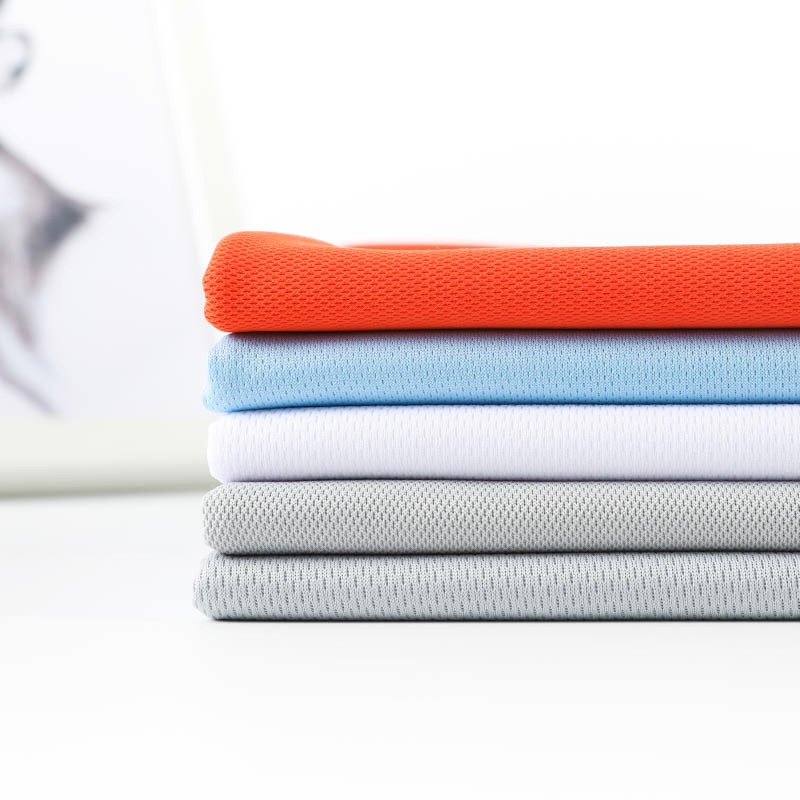
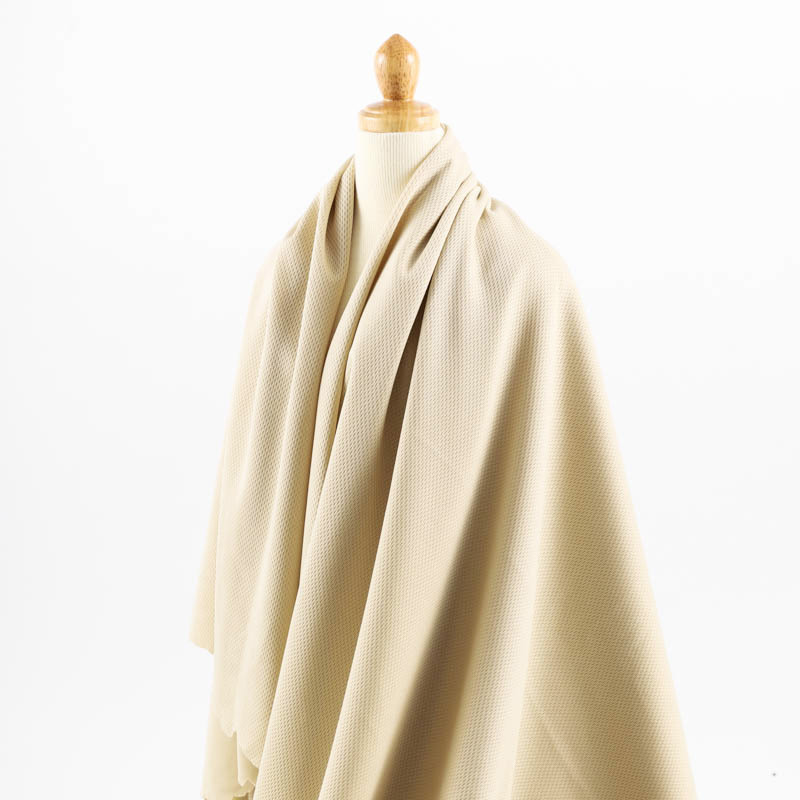
da, țesătură jacquard este bun — și în multe contexte, este excelent. Oferă o combinație unică de complexitate vizuală, durabilitate structurală și versatilitate pe care puține alte țesături o pot egala. Fie că îl evaluați pentru o jachetă croită, o pernă decorativă sau draperii formale, jacquard oferă în mod constant atât estetica, cât și funcționalitatea. Acestea fiind spuse, ca orice țesătură, are compromisuri demne de înțeles înainte de a cumpăra.
Ce este țesătura jacquard?
Țesătura jacquard nu este definită de o singură fibră - este definită de modul în care este țesută. Termenul se referă la orice material textil produs pe a Răsătorit jacquard , o invenție mecanică a lui Joseph Marie Jacquard în 1804 care a permis ca modele complexe, programabile să fie țesute direct în structura țesăturii. Spre deosebire de țesăturile imprimate în care designul se află la suprafață, modelele jacquard sunt încorporat în țesătura în sine , oferindu-le un aspect texturat, tridimensional.
Jacquard poate fi făcut din aproape orice fibră - bumbac, mătase, poliester, lână, in sau amestecuri. Aceasta înseamnă că proprietățile țesăturii de bază (moliciune, respirabilitate, greutate) depind în mare măsură de conținutul de fibre, în timp ce structura țesăturii determină complexitatea modelului și textura dimensională.
Tipuri comune de țesături jacquard
- Brocart: Greu, adesea cu modele în relief folosind fire metalice; folosit în îmbrăcăminte formală și tapițerie
- damasc: Jacquard reversibil cu model lucios pe fond mat; popular pentru lenjerie de masă și draperii
- Tapiserie: Țesătură densă, picturală, folosită adesea pentru tapițerie și tapițerie decorativă
- Matelassé: Jacquard cu aspect matlasat, cu o textură în relief, căptușită; comune în lenjerie de pat și haine de seară
- Cloqué: Jacquard ușor, cu o suprafață cu vezicule; folosit la bluze si rochii
Avantajele cheie ale țesăturii jacquard
Țesătura jacquard își câștigă reputația prin mai multe calități remarcabile care o deosebesc de alternativele simple sau imprimate.
1. Durabilitatea modelului
Pentru că modelul este țesut, nu imprimat nu se estompează, nu se crăpă și nu se decojește cu spălare sau utilizare. O țesătură florală imprimată poate părea decolorată după 20 de spălări; o țesătură florală jacquard își păstrează integritatea designului timp de zeci de ani cu îngrijirea corespunzătoare. Acest lucru îl face o investiție practică pentru articolele care sunt utilizate în mod regulat.
2. Profunzime texturală și bogăție vizuală
Firele de urzeală și bătătură care se întrepătrund creează a textura suprafeței tridimensionale care captează lumina diferit în funcție de unghi. Acest lucru conferă jacquardului o sofisticare vizuală inerentă care este dificil de reprodus cu țesături plate. Designerii de modă de ultimă generație îl folosesc frecvent tocmai pentru această profunzime.
3. Stabilitate structurală
Țesăturile jacquard sunt de obicei mai dense decât țesăturile standard. Această densitate se traduce printr-o reținere mai bună a formei - articolele de îmbrăcăminte își mențin silueta mai mult timp, iar materialul de tapițerie rezistă la lăsare. O țesătură de canapea jacquard, de exemplu, poate rezista la mai multe cicluri de abraziune decât o alternativă cu țesătură lejer.
4. Versatilitate între aplicații
Jacquard este folosit în rochii de seară, cravate pentru bărbați, mobilier tapițat, lenjerie de pat, perdele și chiar îmbrăcăminte atletică (jacquard stretch). Puține categorii de țesături acoperă o gamă atât de largă de utilizări finale, menținând în același timp standarde de calitate consistente.
Performanța țesăturii jacquard după caz
Cât de bine funcționează jacquardul depinde în mod semnificativ de unde și cum este utilizat. Tabelul de mai jos rezumă caracterul adecvat al aplicațiilor comune.
| Caz de utilizare | Adecvare | Considerent cheie |
|---|---|---|
| Imbracaminte formala / de seara | Excelent | Alegeți jacquard pe bază de mătase sau satin pentru draperie |
| Tapiterie / Mobila | Excelent | Căutați gradul de abraziune peste 25.000 de frecări (Wyzenbeek) |
| Perdele/draperii | Foarte bine | Greutatea adaugă structură; Expunerea la UV poate afecta fibrele |
| Lenjerie de pat/Plupumă | Bun | Bumbacul jacquard echilibrează moliciunea și durabilitatea |
| Îmbrăcăminte casual de zi cu zi | Moderat | Se poate simți greu sau rigid; opțiuni ușoare disponibile |
| Îmbrăcăminte sportivă / îmbrăcăminte sport | Bun (stretch types) | Necesită jacquard elastic cu conținut de elastan |
Dezavantajele sincere ale țesăturii jacquard
Nicio țesătură nu este perfectă pentru orice situație. Jacquard are limite reale pe care cumpărătorii ar trebui să le cântărească cu atenție.
- Cost mai mare: Procesul complex de țesut necesită mai mult timp și mașini de precizie. O țesătură jacquard de calitate costă de obicei cu 30-60% mai mult pe yard decât o țesătură simplă comparabilă.
- Greutate și rigiditate: Multe țesături jacquard sunt mai grele și mai puțin fluide decât alternativele mai ușoare. Acest lucru poate limita confortul la articolele de îmbrăcăminte casual sau pe vreme caldă.
- Cerințe de îngrijire: În funcție de conținutul de fibre, jacquard poate necesita curățare chimică sau spălare delicată a mâinilor. Spălarea agresivă la mașină poate distorsiona structura țesăturii în timp.
- Risc de avarie: Firele ridicate din unele țesături jacquard (în special brocart) se pot agăța de bijuterii, velcro sau suprafețe aspre, trăgând bucle din material.
- Respirabilitate limitată în materiale sintetice: Jacquard din poliester, deși durabil și accesibil, oferă o respirabilitate slabă în comparație cu versiunile din bumbac sau mătase.
Jacquard versus alte țesături cu modele
Înțelegerea modului în care jacquard se compară cu alternativele ajută la clarificarea când este alegerea potrivită.
| Caracteristică | Jacquard | Tesatura Imprimata | Tesatura Brodata |
|---|---|---|---|
| Locația modelului | Țesută în structură | Aplicat pe suprafata | Cusut pe material |
| Rezistență la decolorare | Excelent | Moderat | Bun |
| Textura | 3D, structural | plat | Cusături ridicate |
| Cost | Mai sus | Mai jos | Variabil (poate fi foarte mare) |
| Complexitatea modelului | Foarte sus | Nelimitat (digital) | Moderat |
| Durabilitate | Înalt | Scăzut-Moderat | Moderat–High |
Cum să alegi materialul Jacquard potrivit
Cu atât de multe tipuri de jacquard disponibile, alegerea potrivită depinde de proiectul dvs. specific. Utilizați aceste îndrumări practice:
Pentru îmbrăcăminte
- Pentru piese structurate (blazere, fuste): alege brocart sau damasc greu
- Pentru siluete fluide (bluze, rochii de seara): alege jacquard de mătase sau cloqué
- Pentru îmbrăcăminte activă sau îmbrăcăminte montată: alege jacquard stretch (amestec de poliester/elastan)
Pentru Mobilier pentru Casa
- Pentru tapițerie cu trafic intens: acordați prioritate poliester sau bumbac-poli jacquard cu un număr de frecări peste 30.000 de cicluri Wyzenbeek
- Pentru draperii: optați pentru damasc de greutate medie sau tapiserie jacquard
- Pentru perne decorative cu accent: funcționează aproape orice tip jacquard; concentrați-vă pe estetica culorii și a modelului
Lista de verificare a conținutului de fibre
- Jacquard de mătase: Cel mai moale, cel mai strălucitor, cel mai scump - numai curățare uscată
- Jacquard din bumbac: Respirabil, lavabil, ideal pentru utilizarea de zi cu zi și pentru lenjerie de pat
- Jacquard din poliester: Cel mai accesibil, mai durabil, mai puțin respirabil
- Jacquard de lână: Căldură, structurată, excelentă pentru îmbrăcăminte exterioară croită
- Jacquard de in: Textura crocanta, excelenta pentru lenjeria de masa si decorul casei de vara
Îngrijirea țesăturii Jacquard
Îngrijirea adecvată prelungește dramatic durata de viață a pieselor jacquard. Urmați aceste instrucțiuni în funcție de tipul de fibre:
- Jacquard de mătase: Curățare numai chimică sau spălare delicată manuală în apă rece cu detergent cu pH neutru; se întinde plat pentru a se usuca
- Jacquard din bumbac: Se spala la masina pe un ciclu delicat in apa rece; uscare la rufe la temperaturi scăzute sau la aer
- Jacquard din poliester: Se poate spala la masina pe ciclu delicat; evitați căldura mare care poate distorsiona țesătura
- Călcare: Călca întotdeauna pe reversul folosind o cârpă de presare; căldura directă pe modele înălțate le poate aplatiza sau deteriora
- Depozitare: Îndoiți de-a lungul liniilor naturale sau rulați pentru a evita cutele permanente; depozitați departe de lumina directă a soarelui pentru a preveni schimbarea culorii
Țesătura jacquard merită prețul?
Pentru majoritatea aplicațiilor în care longevitatea, aspectul și calitatea contează, da — jacquard merită prima . Luați în considerare calculul cost-pe-utilizare: o țesătură de tapițerie jacquard care rezistă 15-20 de ani pe o canapea bine folosită depășește o țesătură mai ieftină care se degradează în 5 ani. În mod similar, un blazer jacquard bine realizat își păstrează structura și integritatea modelului mult mai mult timp decât o alternativă imprimată sau simplă la același preț.
Acolo unde jacquard este mai puțin justificat: articole de zi cu zi în care moliciunea și respirabilitatea depășesc durabilitatea sau piese de modă de unică folosință care nu sunt menite să reziste mai mult de un sezon. În aceste cazuri, o țesătură simplă de calitate servește mai bine la un cost mai mic.
Linia de jos: țesătura jacquard recompensează achiziția intenționată . Când îl alegeți pentru aplicația potrivită și îl îngrijiți corect, oferă în mod constant o valoare care depășește costul său inițial.